 Shabby Chic Boho
 Structured and unstructured play is great for kids. However, as your child gets older, play time is going to look a lot different! As a parent, this change can be hard to keep up with. What your 2 year old loved last week they now hate, and your 7 year old doesn’t want to play with their Barbie dolls anymore – how are you supposed to keep up and make sure play time stays fun?
It’s possible with a few select tips. From bathtime to de-stressing after school or before bed, play time should change and evolve through the years. However, it should never cause stress in your household. The minute it stops being fun, it’s time to change and try something new! Here are just a couple of ideas to try out in your own home.
Make Time for Play Time
Play time should always have its day! And the more you make time for it, the more normalized it’s going to become in your household. Why’s that good? Because it means you and the kids are always going to prioritize spending time together. That’s a good thing to encourage from a young age, even from infancy.
Also, it makes good use of your own free time as an adult. You don’t need to have something scheduled every single weekend, or on your days off. You can keep that time free to spend with the kids, on things like play time and building their skills in childhood. Set a precedent and your kids are always going to think it’s fun to spend time with mom and dad.
Let Them Take the Lead
Child led play time is excellent for many reasons. Firstly, it allows your child to express themselves in a variety of ways, but most importantly always in their own way. It also ensures they learn more from the activity at hand, because they’re having fun! Even adults take things in more often when they’re having a good time, so you definitely want your child to experience the same thing.
Simply put, when a child takes the lead, play time is always going to have fun elements. It’s not something they’re made to do, or something they think they should do. That ensures that this time is relaxing and stays that way. Even if your child has little to say, or they’re non verbal, you can still engage with them by giving them free reign. Watch their eyes and see what they focus on, and let them move on to something else when they’re ready.
Engage with What They Say
Older kids are more likely to be verbal about what they’re playing with, but even toddlers and babies can have certain things to say. When you know your child, you know what their noises mean. Some are happy, some are frustrated and disinterested, and some mean they’re upset.
Always engage with these words and noises. Let them guide you into making play time more fun for your child. For example, if a 5 or 6 year old tells you that you’re ‘playing wrong’, ask them how you’d like them to play. Should you use a different toy? Should you dress up differently? Be specific – it’s the best way to get an actionable response without anyone getting too annoyed!
Buy Open Ended Toys
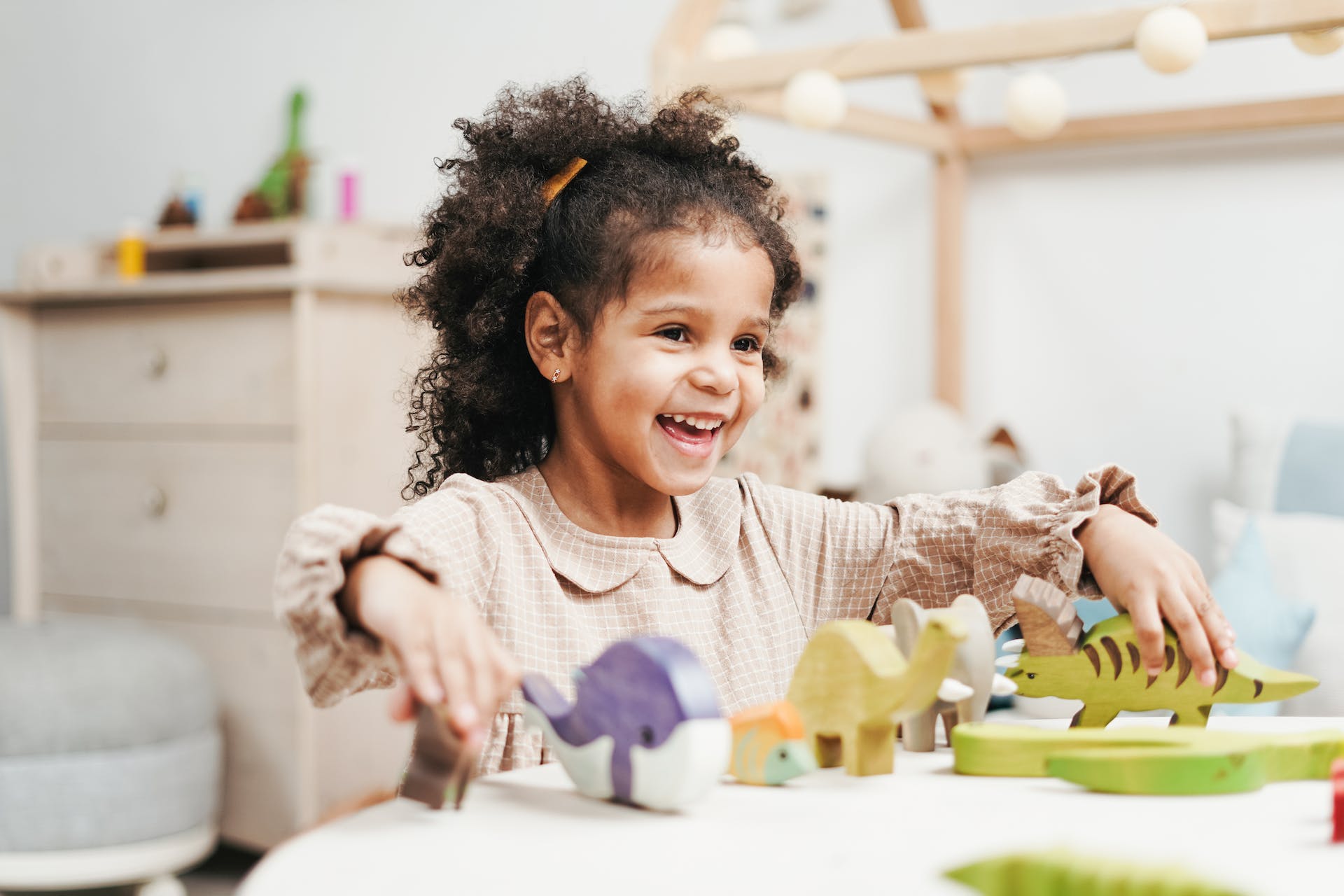
Open ended play means kids can come up with their own scenarios and storylines. This allows them to use their imagination to the fullest; they can be creative and create whatever they like out of the materials in front of them. And some of the best open ended toys for kids are more affordable than you’d think!
Items like crayons and paper, play dough and plasticine, and outfits to dress up in, all count as open ended toys. Similarly, items like LEGO allow for open ended play – although this tends to be a pricier option. But if you’ve got a big box of the stuff in the attic somewhere, bring it down and let the kids go wild with it!
Try a Video Game
Video games aren’t bad for kids! And if your child is 10 or over, they’re probably going to quite like playing them. Engage with this. You don’t want your kids to spend too much time in front of a screen, but you also don’t want to tear them away from it. If it’s fun, make sure it stays that way, but in moderation.
And there are plenty of video games out there that are suitable for kids. Minecraft is a good pick, and there are various LEGO video games, as well as Barbie ones. You can also download farming simulators to play together, which are relaxing, fun, and sweet. Even as an adult you can have fun with these! And if your child prefers a puzzle, games like the Nancy Drew series could be a great fit.
Give Them a Challenge
Speaking of puzzles, a good play time session works the brain and helps a kid to think creatively. Keep this in mind when you’re trying to design an activity to try out. A challenge can be anything, from putting an actual jigsaw puzzle in front of them to helping them cut and stick things together to make a collage.
You could even make a manual version of Tetris to try out on a table. You can also set them a task to build something out of a chosen material, such as play dough, and give them a time limit to get it done in. If there’s some candy waiting at the end of the time for them, the more the better! Indeed, the more puzzling the activity the better, but aim for a child friendly version!
Get Outside
Going outside is weather dependent, but if the sun is out (or it’s not raining!), make sure you get the kids outside to enjoy it. Doing this once a day is best, but sometimes you just want to stay indoors, don’t you? And that’s not a bad thing!
As such, going out with the kids a couple times a week seems more realistic. If you have a garden, make sure it’s clear and has some good running space in it. You can then set up a soccer goal or hand out some hockey sticks and play a game.
End on a Positive Note
A positive note ensures play time is never boring to end, or too upsetting to let go of. For young children, it’s easy to burst into tears when you’re having fun but it’s time for dinner or bed. And for older kids, it’s easy to get into a grump when you don’t want to go back indoors!
So end on a positive note. Have something ready for the end of play time, such as a snack, or something a bit quieter to do, like a fun book or a funny cartoon. Wind down bit by bit and get your kids in the mood to transition into other tasks that need to be done.
Play time can get boring every now and then, but you can help your kids have fun by structuring things differently every time. Move with their age, make sure they have multiple types of toys to try out, and always end play time on a light and positive note. Plus, if you can work their brain a little bit by setting up a puzzle, play time is always going to have something to offer!


