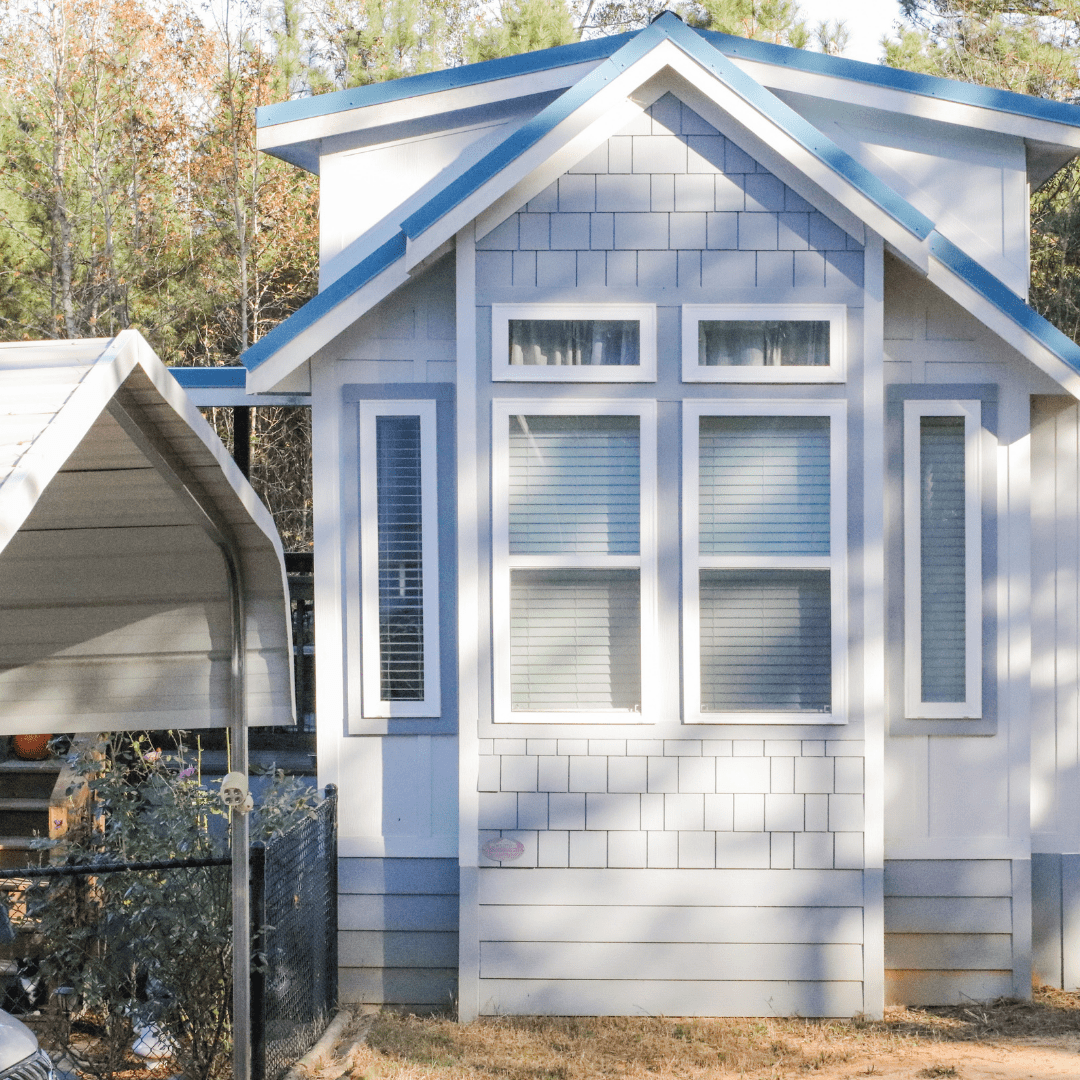
 Shabby Chic Boho
 Admit it or not, you’ll be alarmed if a friend rings to inform you that they’re leaving their villa to settle in an apartment. You’ll perceive it as scaling down. That’s because we’re conditioned to think small things are inferior to larger things, be it a car or a house.
If you feel the same and are hesitant to move into a smaller home, this article will give you 7 reasons why it might be a good option.
But before we dive any deeper, you should know we’re talking about planned downsizing here. It means that you’re choosing to move into a smaller home before you’re forced to. You’re planning ahead of the circumstances.
But why should you? Let’s check out.
1. You’ll save money on energy
Bigger houses demand more energy to heat and cool. Even if you’re using the latest energy-efficient technologies or insulating materials, you’ll end up paying 3x more than a small-sized house.
For example, let’s compare a 5-bedroom house with a 3-bedroom house. Say you don’t use all the rooms in a 5-bedroom house. You’ll still have to install more or higher-power air conditioners in each room. That’s because the covered area of each room will be significantly greater as compared to the rooms in a 3-bedroom house.
Moreover, this survey proves that heating and cooling tiny homes produces only 558 pounds of carbon dioxide, while an average house emits approximately 8000 pounds of CO2. So, by downsizing, you’ll be saving money and contributing to a greener environment at the same time.
2. Cleaning will be cheaper
Sometimes, builders make more rooms within a large house, which reduces the area per room. But that too won’t rid you of extra cleaning costs associated with a large house.
Even if you decide not to use all the rooms in a house, you’ll have to ensure they all get cleaned every once in a while. That’s because rooms left abandoned and unclean for months can lead to unhygienic conditions. They may become home to germs, insects, and even rodents, which will make the overall environment of your home unsafe (and scary).
The same applies to spacious backyards and front yards. They demand constant (and costly) maintenance. You’ll be spending your precious time and hard-earned money on maintaining an area that you don’t even use.
3. You’ll have more money to invest in better avenues
As you can see now, downsizing helps you save a lot of money. Apart from reduced utility and maintenance costs, you’ll be saving on property tax too. Land size is one of the factors influencing property tax, which is why a smaller house means a lower tax.
Other than saving money on recurring expenses, you’ll also have a considerable amount at hand when you downsize. Say you sell a property worth $1000,000 and buy a small house worth $600,000. You’ll have $40000 at hand.
Although this might mean a reduced age pension, you can use this amount to multiply your money via other sources.
You can divide the available amount and make low-risk investments in stocks and real estate. It will help you secure your old age and acquire a steady stream of income with minimal input.
If you’ll sell your only property while downsizing, don’t forget to secure your newly-bought tiny home. Invest in insurance policies so that you’re not empty-handed in unfortunate times. For example, home and content insurance can help you recover the damage in case of theft or accidental loss and is a good option to explore. You can get an online quote here.
4. Smaller houses resell better
In terms of pricing, small-sized residential units cost much less than bigger ones, which makes them affordable for a larger share of the population. So when you decide to relocate and resell your house, you won’t have to wait for years to find a buyer.
Plus, a recent real estate survey listed a 6.5% increase in the number of small houses listed for selling. This is a positive market trend for both small-house owners and buyers. Owners can benefit from the greater negotiation opportunities that accompany this trend, while buyers have more housing options to choose from.
For big house owners, the market trends remain static and unpromising. Since a majority of people are opting to downsize these days, big-house owners might struggle with buying and selling.
5. You’ll be able to move faster
Along with quick buy and sell, tiny houses make the moving process easier. Less accommodation means you will have limited belongings. These will be easier to pack and transport to a new place.
6. You’ll be more productive
A smaller house means you’ll be less involved in house chores and more focused on your goals. Smaller spaces and reduced belongings will make your place more manageable, relaxing, and conducive to deep work. You won’t feel the need to declutter now and then and won’t have to spend hours putting things back in place.
7. You’ll lead a better family life
Compact homes tend to bring families together. Even if your and your family’s routines are different and you don’t sit down together even once in 24 hours, you’ll likely bump into one another multiple times a day.
The physical presence of your loved ones around you will impact your mental and emotional health positively. You’ll feel supported, loved, and motivated. Plus, reduced expenses of a small house would also mean that you can spend less time at work and more time with family.
Finally, families living in smaller houses usually have one living room. So, on weekends and holidays, you get to engage in collective activities instead of individual ones. These engagements strengthen familial bonds and help build healthier relationships.


