 Shabby Chic Boho
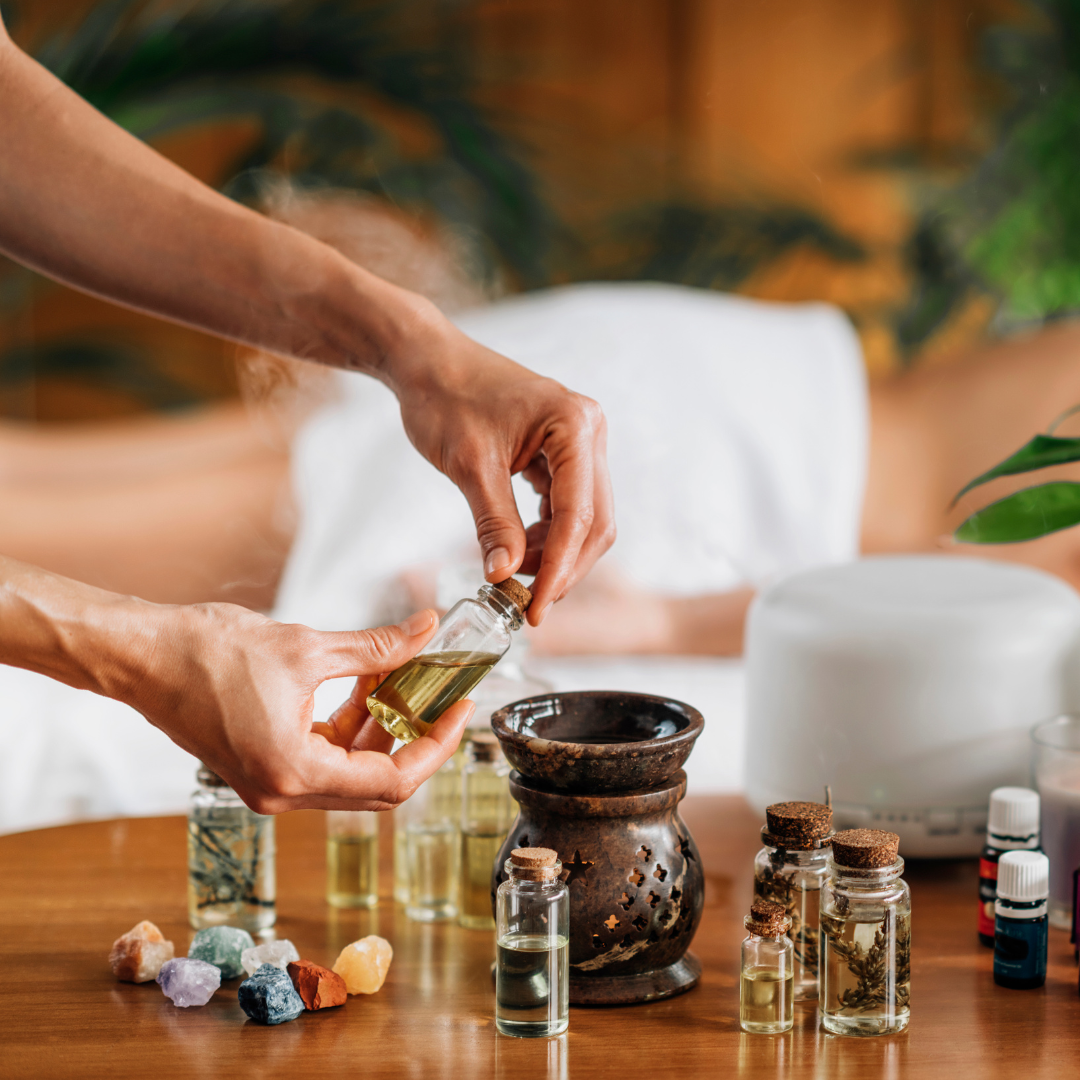
 Scent influences our emotions, there’s no denying it. Aromatherapy involves the use of scent to improve people’s moods, overcome depression, and treat anxiety. A lot of people know what aromatherapy is but have absolutely no idea why it is so effective, or how it works.
If you are interested in pursuing a course in aromatherapy and want to know how it works (or you are just genuinely curious as to how aromatherapy can help people to overcome serious mental health issues), then you’re in the right place. This post will tell you how scents influence our brains and why aromatherapy is so effective.
 How Does Aromatherapy Work?
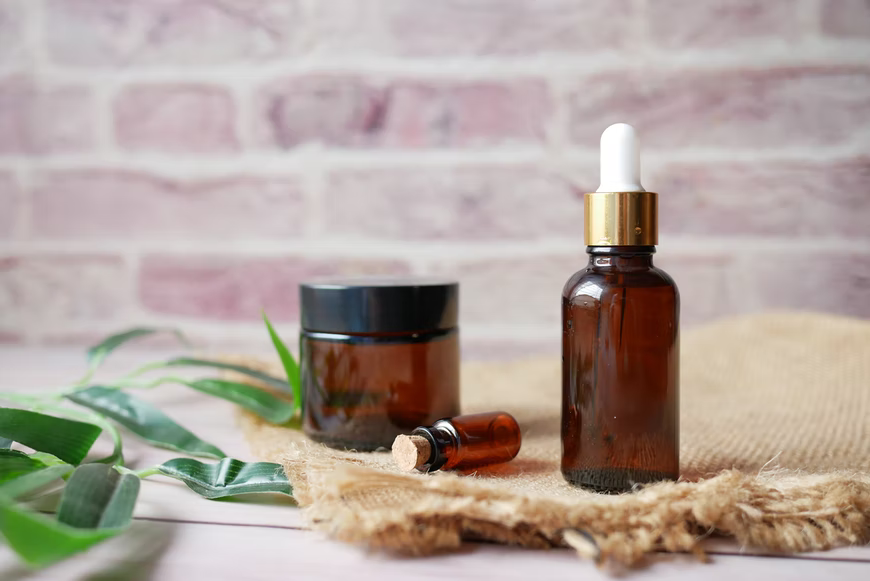
Aromatherapy involves the use of essential oils, which are extracted from plants, distilled, and then packaged and sold. The oils shouldn’t be applied directly to your skin, since they can cause allergic reactions and rashes. When inhaled, however, essential oils stimulate smell receptors in the nose. Once these receptors have been stimulated, messages are sent throughout the nervous system, all the way to your body’s limbic system. The limbic system is the part of the brain that controls emotions, thus improving mood and reducing the negative symptoms of some mental health conditions.
Self-treating Yourself
One of the best things about aromatherapy is that you don’t need an expert’s supervision, you can do it yourself. You can even buy a diffuser bracelet to wear essential oils, which will give you the opportunity to use them when you are walking around, completing tasks, and even at work. Wearing these bracelets means that you can get quick relief from anxiety and other conditions, without having to sit down and open up an oil container. You can also buy diffusers at home, which you can set up around your house and leave on.
Relief from Anxiety
Aromatherapy can help significantly reduce the symptoms of anxiety. Anxiety is a condition that can negatively impact a person’s life, causing them to feel as though they can’t function normally in social situations. If you are a person that is prone to anxiety, then the use of essential oils is something that’s worth considering. The main reason that these oils can help to reduce the symptoms of anxiety is that they help people to relax.
Improved Quality of Life
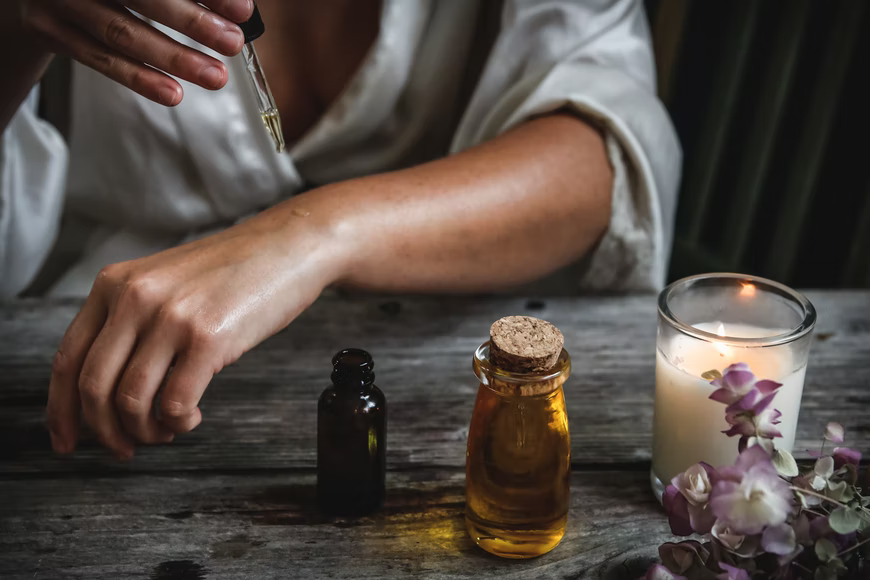
Since essential oils can help to treat underlying mental health conditions like anxiety, it’s fair to say that they can significantly improve the quality of life of people that use them. If you do intend on using essential oils, then it’s worth first considering whether or not you have any allergies. If you are allergic to any essential oils then inhaling them could result in a serious allergic reaction. The best way to determine whether or not you are allergic to essential oils is to dilute them in water or with a carrier oil, then apply a very small amount to your skin. If the symptoms of an allergic reaction manifest within 24 hours then avoid that specific oil’s use again in the future.
Reduction In Pain
Advocates for aromatherapy claim that essential oils can help to reduce pain, working as an analgesic. Some essential oils are anti-inflammatories, which help them to reduce pain since pain is usually caused by inflammation. It’s also worth noting that inflammation is also considered to be responsible for most health conditions, which means that by using essential oils, you could in theory prevent inflammation which could lead to health disorders in the future, like diabetes, cancer, and even Alzheimer’s disease.
Improving Your Sleep
One thing that all users of essential oils and advocates for aromatherapy agree on is that essential oils can help to improve a person’s sleep. This is because essential oils are very therapeutic and relaxing, which can come in very handy if you aren’t sleeping because of anxiety or a mental health condition. However, before using essential oils to treat an inability to sleep, it’s generally considered to be a good idea to consult one’s physician and to try and identify the causes of your sleeplessness. It could be that if you have an underlying health condition that’s causing you to be unable to sleep, which you need to treat before using essential oils.
 Regaining Smell
When COVID-19 first struck, people began reporting that they had lost their sense of taste and smell. For many people, this was very alarming and meant that they weren’t able to live their lives the way that they had before, which was disconcerting, to say the least. It was actually quite dangerous since some people weren’t able to smell things like smoke, gas, and even rotten food, meaning that if they were exposed to these things then they wouldn’t know. Aromatherapy has helped many people who lost their smell and taste due to COVID-19 to regain them. Aromatherapy can also help people who have lost these senses because of smoking regain them.
Professional Treatment
You don’t have to self-treat yourself with essential oils, however. As mentioned in an earlier point, you can if you want to, but if you don’t want to then you can go to a professional aromatherapist and have them do it for you. The treatment that you will receive in a proper aromatherapy studio will be like nothing that you have ever experienced before. It’s worth noting that you can self-treat whilst simultaneously attending an aromatherapist’s studio, getting help from them, and helping yourself.
Improved Relaxation
Lastly, and as has been referenced several times in this article already, aromatherapy can help you to relax more. Being more relaxed will help you to feel a lot more comfortable and a lot less stressed out. Another effective way of relaxing that’s often used in combination with aromatherapy is meditation. Mindfulness meditation, in particular, shows a lot of promise for treating mental health disorders. If you are going to use aromatherapy in combination with meditation, then make sure that you find an oil and type of meditation that’s right for you.
Aromatherapy holds a lot of promise as a treatment for anxiety, depression, and pain. You don’t need an expert’s supervision to practice it, although it can help. If you are interested in aromatherapy, then try to find an oil that’s right for you (that you aren’t allergic to) and give it a go.


